


Separett® Composting Toilets
Ecovault Infiltration Chamber
Ecovault Infiltration Chamber
SKU:1357-01
Couldn't load pickup availability
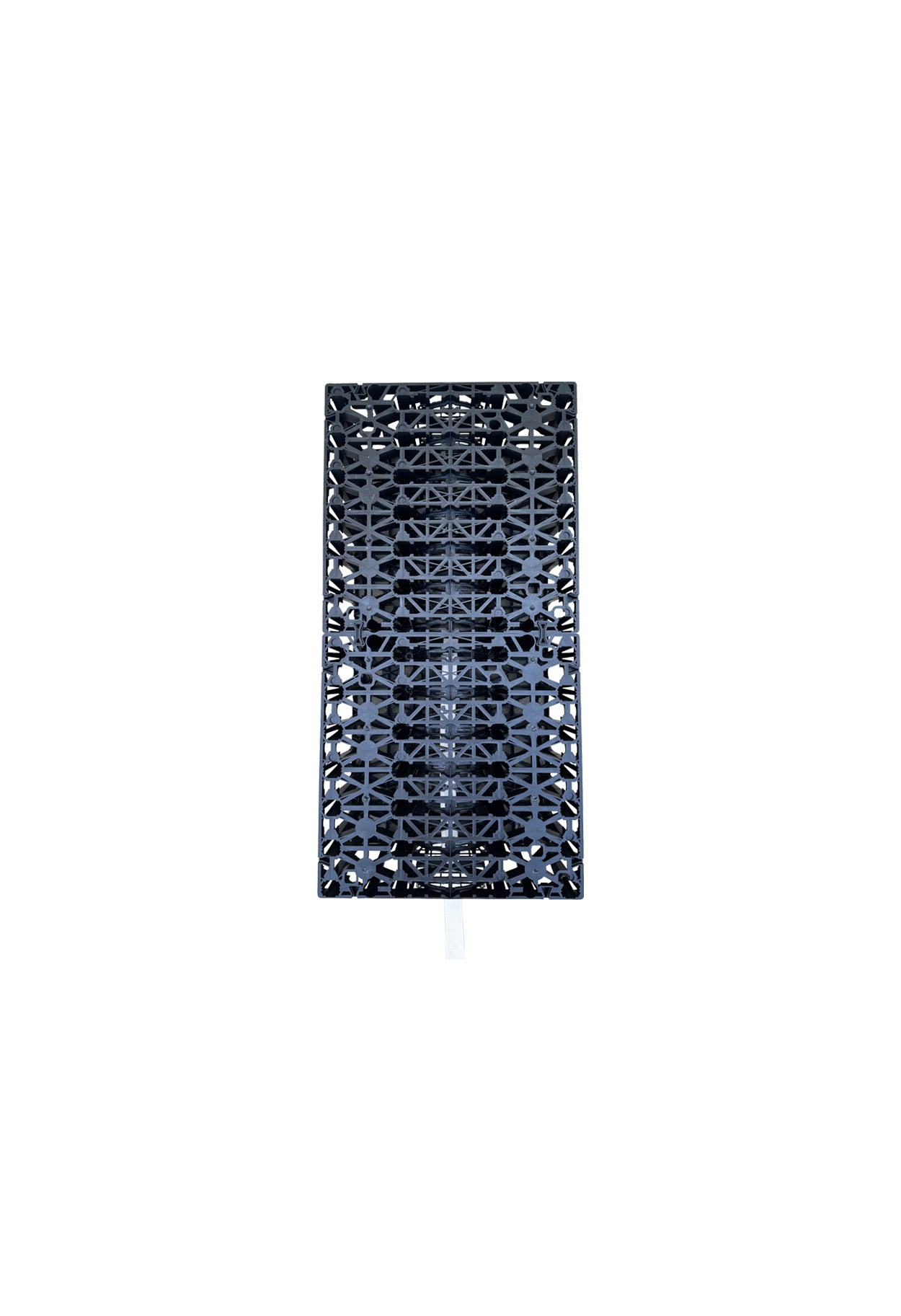
The 2 x 20-Gallon Infiltration Chamber kit is a compact underground solution for dispersing liquid from urine-diverting toilets in off-grid settings. It replaces traditional hand-dug gravel soak pits with a lightweight, modular chamber system.
The system is designed for urine discharge and can also handle greywater from showers and bathroom sinks when at least two chambers are used. Additional chambers can be connected in series to increase overall capacity.
Ideal for tiny homes, cabins, ADUs, and remote structures without municipal sewer access.
This product consists of 2 chambers, each with a capacity of approximately 20 gallons. Multiple chambers can be connected to increase system capacity.
Read more about the product in the dropdown sections below or in this blog post.
Product details
Product details
Purpose
Underground infiltration chamber for dispersing urine and light greywater into soil in off-grid environments.
Primary Use
• Urine from urine-diverting toilets
Optional Use (when properly sized)
• Shower greywater
• Bathroom sink greywater
Not intended for:
• Blackwater (feces or toilet paper)
• Kitchen grease discharge without pre-treatment
• Vehicular load applications
Application Type
Replacement for self-dug gravel infiltration pits.
Modular Design
Chambers can be connected in series to increase storage volume and infiltration area.
Contents of Delivery
Contents of Delivery
- 2 x 20 gallon Ecovault chamber
- 4 x grid for pipe entry points
- 6 x connector clips to attach chambers together
- 2 x non-woven geotextile fabric
- Simple assembly instruction
Installation instructions
Installation instructions
Important
Before installation, verify local regulations regarding urine and greywater discharge. Setback requirements from wells, property lines, foundations, and surface water vary by jurisdiction.
1. Site Selection
- Minimum 10 ft from building foundation
- Away from wells and surface water
- Above seasonal high groundwater table
- In well-draining soil
- Not in areas subject to vehicle traffic
Avoid heavy clay soils unless increasing chamber count.
2. System Sizing
Each assembled container is 20” x 20“ x 12” in size and can hold approximately 20 gallons of liquids. Infiltration system capacity can be increased by connecting multiple chambers together either by stacking or connecting them together in-line.
Urine Only (1–2 people, seasonal use): 1 chamber may be sufficient in well-draining soil, but it’s highly recommended to use 2 chambers either in chain or on top of each other.
Urine + Shower + Sink: Minimum 2 chambers recommended.
Full-time use typically requires 3 or more chambers.
When in doubt, increase chamber count rather than oversizing a single unit.
3. Excavation
Excavate a pit that's at least 3 inches wider than the chamber/chambers on each side and deep enough for:
- 4 inches gravel base
- Chamber height
- 2 inches of gravel cover
- 8 inches of soil cover
For a stacked installation of two chambers, the excavation should be at least 38" deep and measure 32" × 32".
For an in-line installation of two units, the excavation should be at least 26" deep and measure 32" × 52".
Install below frost depth in cold climates if used year-round.
4. Base Preparation
- Install 4–6 inches of ¾ inch clean washed drainage stone.
- Level and lightly compact.
5. Chamber Preparation
See the Chamber Preparation document for more detailed instructions.
- Assemble chamber / chambers
- Connect the chambers together if you use multiple chambers
- Cut an opening in the grid for the inlet pipe
- Wrap entire chamber in non-woven geotextile fabric. (Included)
- Overlap seams with a minimum of 12 inches.
Do not use plastic sheeting!
6. Plumbing Connection
- All lines must be gravity-fed.
- Maintain a minimum slope of 1/8 inch per foot.
- Use solid (non-perforated) PVC pipe.
- The maximum inlet pipe size is 5" Schedule 40 PVC.
- Position the end of the inlet pipe as close as possible to the center of the chamber.
- When connecting multiple sources to the same chamber, use a larger-diameter main pipe and connect the individual lines to this pipe along its length.
For shower connection: Install hair trap.
For sink connection: Install simple grease trap.
Do not allow solids, toilet paper, fats, or food waste to enter system.
7. Installation in Excavation
- Place wrapped chamber on gravel base.
- Connect inlet pipe securely. Inlet pipe end should be in the middle of the chamber/chambers.
- Surround sides with clean washed stone.
- Fold geotextile over top of chamber.
- Fill top with 2 inches of washed stone.
8. Backfill
- Backfill remaining depth with native soil.
- Compact gently in layers.
Final grade should slope away from structure.
Multiple Chamber Installation
Connect chambers in series to increase capacity.
- Install overflow from first chamber to next.
- Maintain equal elevation.
Technical Data
Technical Data
- Material: Durable PP plastic (Recycled)
- Shipping size: 20" x 20" x 15"
- Size of an assembled chamber: 20" x 20" x 12"
- Max pipe in: 5" schedule 40 PVC
- Minimum slope in: 1/8 inch per foot (1%)
- Shipping weight: 19 lbs
- Weight of one chamber: 8 lbs
- Storage capacity per chamber: approximately 19 gal
- Recommended cover depth: 8-12 inches of soil above
- Recommended base structure: 4–6 inches of ¾ inch clean washed drainage stone
- Geotextile Requirement: Non-woven geotextile wrap required to prevent soil intrusion (Included in delivery)
- Load rating: Not rated for vehicle traffic
- System Expansion: Units can be connected in series to increase system capacity
Cleaning and Maintenance
Cleaning and Maintenance
- Inspect and clean hair/grease traps every 6–12 months.
- Check for surface pooling after heavy use.
- Flush urine line if mineral buildup occurs.
- System longevity depends on preventing solids from entering the chamber.


Navigate to our composting toilets