
Waste management

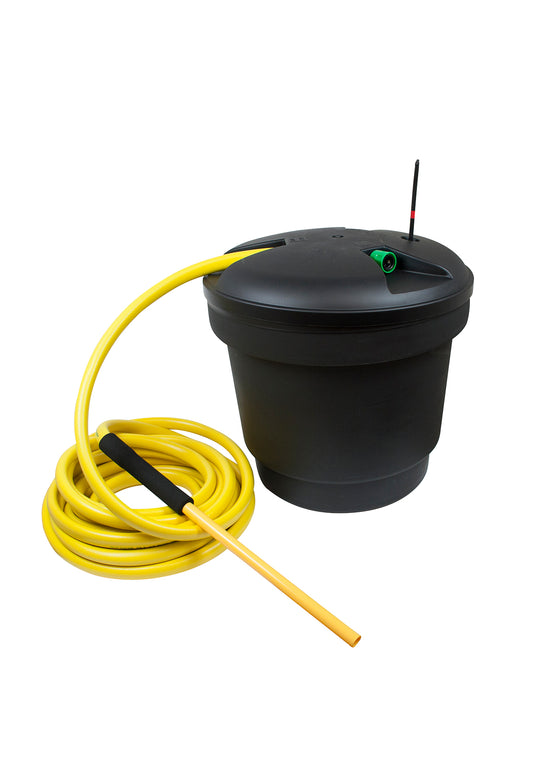
Waste from composting toilets should be disposed of in accordance with local regulations. For liquid waste, we offer the Ejectortank, which automatically dilutes the urine with water at a ratio of 1:8 so it can be used as fertilizer. Where there is no suitable lawn or vegetation to fertilize with the resulting “golden water,” we also offer a long-term ground-infiltration solution.

A Smarter Way to Handle Liquid Waste

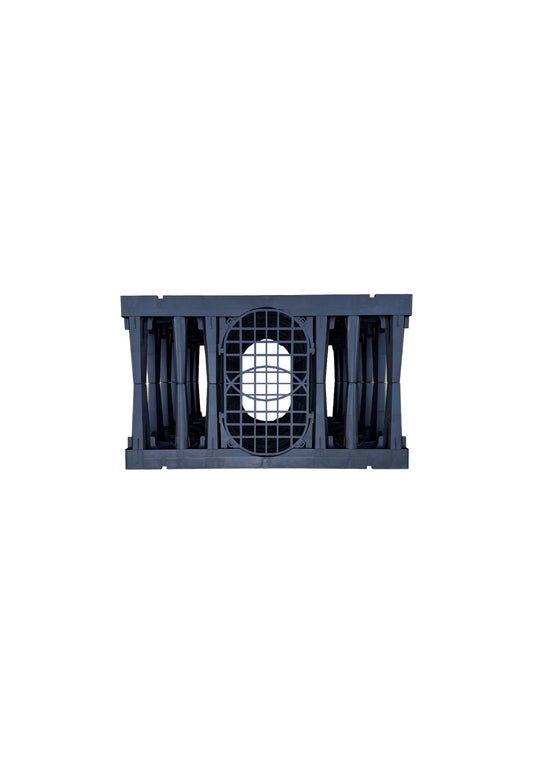
Separett EcoVault is a practical infiltration chamber designed for urine and light greywater in off-grid systems. It offers a more structured and reliable alternative to a traditional soak pit, helping liquid disperse safely into the surrounding soil.

Ideal for cabins, tiny homes, and temporary installations, EcoVault works perfectly together with Separett urine-diverting toilets such as Villa, Tiny or Pee. Its modular design makes it easy to adapt the system to different needs, whether for seasonal use or a more complete off-grid setup.

See the product

Urine to Fertilizer with the Ejectortank

Separett Ejectortank makes it simple to collect and reuse urine from a urine-diverting toilet. When emptied, the tank automatically mixes urine with water at the correct ratio, making it suitable for spreading on lawns, flower beds, gardens, and shrubs.

With its practical design, float indicator, and no moving parts, it is an easy and reliable solution for cabins, vacation homes, and off-grid toilet systems where urine can be reused as a natural resource.

See the product
  • Is urine from a Separett toilet considered black water?

    Generally no, but some states do not recognize urine as an individual part as they have limited experience about urine-diverting toilets. Because urine is separated before it comes into contact with solid waste, it remains a separate liquid stream and is not classified as black water. The urine has not been mixed with fecal matter.

  • Do all Separett toilets use a urine container?

    No. Some models are designed with a urine container inside the toilet, while others are installed with a urine tube that directs the liquid to another location such as an infiltration area, tank, or grey water system.

  • How can odors from the urine be prevented?

    Urine itself normally produces little odor when it is handled separately and emptied regularly. For installations using a urine container, Separett Drain Cleaner tablets can be used to help maintain the container and control odors.

  • Can urine be directed to a grey water tank?

    Yes. In some installations, the urine can be directed to a grey water tank, for example in an underground tank or a tank installed in a camper or overland vehicle.

  • Can urine be led to an infiltration or drainage solution? 

    Yes. In off-grid installations such as cabins or tiny homes, urine is often directed to an infiltration chamber, leach bed, or similar drainage solution designed for liquid handling.

  • How long time does the composting take?

    The key here is time. In compost toilets no composting happens within the toilet itself. The waste needs to be composted for at least 12 months without adding a new batch of waste. During 12 months the potentially harmful bacteria and pathogens in the waste are neutralised and the waste can be mixed with soil and used as a fertile mixture for plants. It's always recommended to check local laws and regulations regarding composting.